Articles on B2B marketing,
AI, and growth.
Practical playbooks from 18 years building marketing engines for B2B SaaS, scale-ups, and global brands. Fractional CMO leadership, AI systems, and the new rules of buyer journeys.
Buying an enterprise Claude licence is not an AI strategy.
Almost nobody selling AI content right now is talking about what enterprise AI actually looks like. Marketing automating workflows while sales tracks leads in Excel. IT validating every new tool. Connectivity that doesn't exist. The bottleneck isn't the model. It's the architecture around it.
Read article →

B2B marketing budget, seed to Series A: what to spend, and in what order
At seed you budget from the raise, at Series A from ARR and the growth target. Benchmarks by stage, a people, programs and tools split with worked examples, the headcount-before-ICP trap, and what to cut first when the runway shortens.
Read article →
Is a fractional CMO worth it? How to tell if yours is actually working
There's no dashboard for it. Four signals that tell a founder by month three: attribution shifting to the planned channels, a system that runs on the CMO's days off, one initiative killed, and a team that can explain the plan alone.
Read article →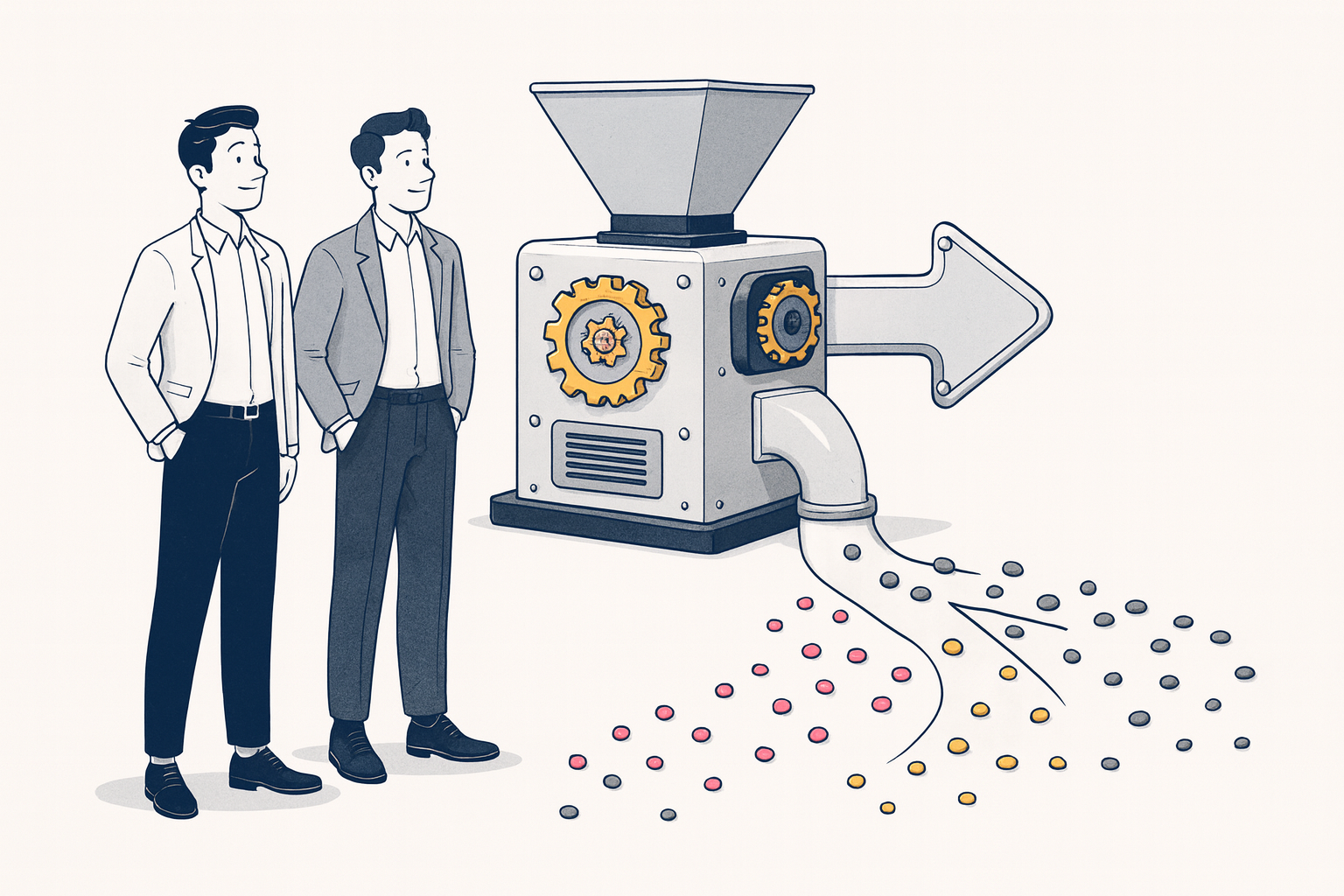
Fractional CMO vs marketing agency for a small business: what's actually different
One owns the strategy and answers for the result. The other executes a scope of work and answers for the deliverables. Why a small business often can't tell them apart until something breaks, and four questions that settle which one you need.
Read article →
Directeur marketing externalisé pour une PME : ce que ça change vraiment
En français. Quelqu'un décide enfin : la stratégie posée, l'exécution recrutée ou outillée, puis un système qui tourne sans lui, équipe légère et agents IA. Le comparatif des quatre options d'une PME et le vrai coût face à un CDI.
Lire l'article →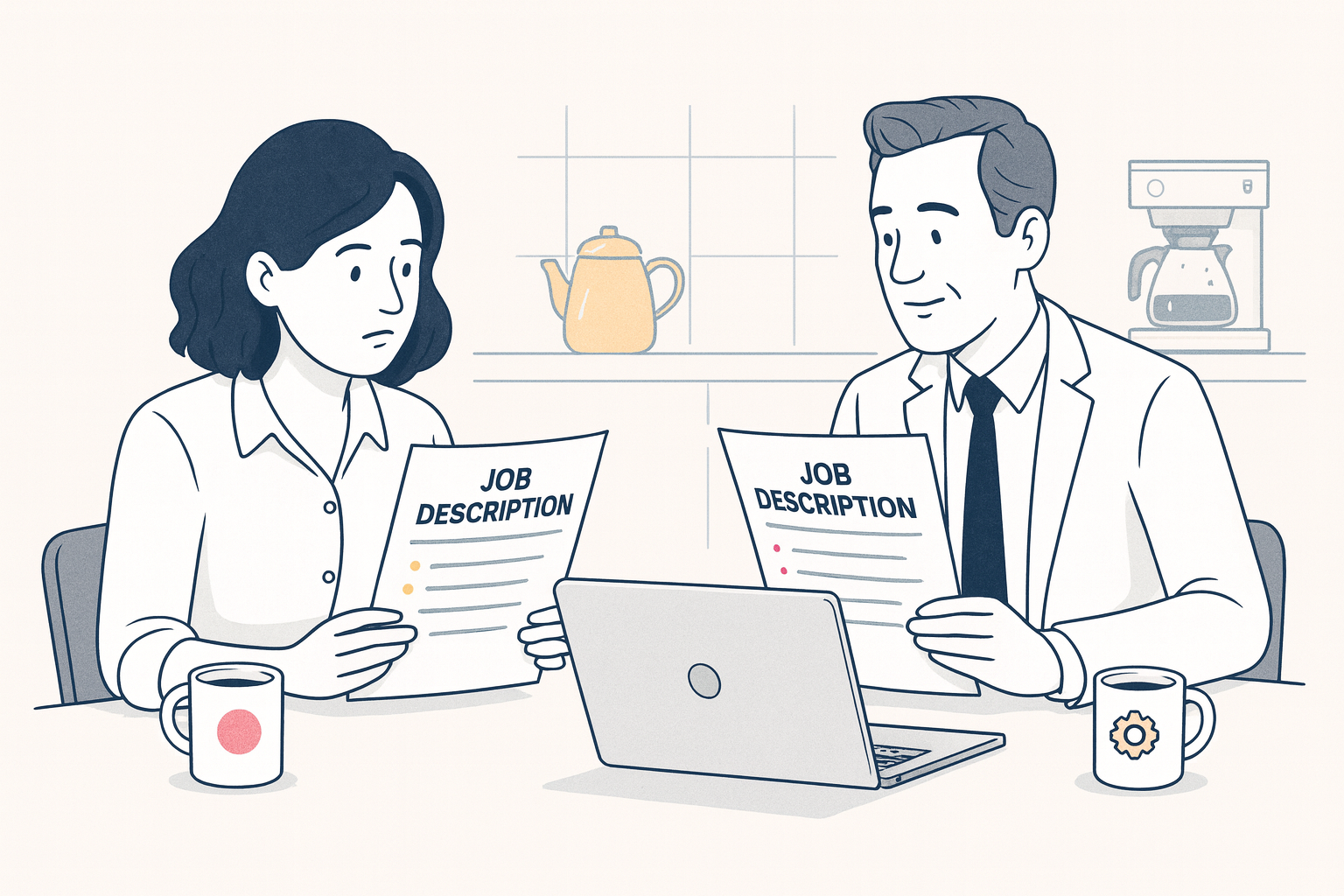
Head of marketing vs CMO: which one your startup actually needs
A head of marketing runs channels and a small team. A CMO owns positioning, budget and the board conversation. The signs you hired the wrong level, what each costs in France, and the third option.
Read article →
AI marketing systems for CMOs: what to bring before you pitch them internally
One owned use case with a number attached, a kill criterion agreed in advance, and a 90-day pilot boundary. The checklist that gets past a CEO who has heard the AI pitch a dozen times.
Read article →
How to build a marketing function before you can afford marketers
Decisions first, one channel, and AI systems that keep producing every week. The build order for a small business, and when the first full-time hire actually makes sense.
Read article →
Responsable marketing externalisé : le bon niveau pour votre boîte ?
En français. Exécuter un canal ou piloter toute la fonction : le bon niveau selon votre stade, du pré-seed à la série A, et ce que coûte le mauvais choix quand il arrive trop tôt.
Lire l'article →
Fractional CMO cost for a small business, against a full-time director.
The fractional day costs more. You buy far fewer of them. Salary, employer charges, paid leave, search fee and ramp, worked through line by line, and where the crossover to a full-time hire actually sits.
Read article →
Fractional CMO vs marketing consultant, and how to tell the difference.
A consultant advises and hands you a deck. A fractional CMO owns the function and is accountable for the number. The handoff test, and five questions that tell you who you're really talking to.
Read article →
Fractional CMO for small business: why not full-time yet.
A full-time CMO now averages $257,853 in base and bonus alone, before benefits and payroll tax. The real math behind hiring fractional first, a side-by-side comparison table, and the one condition under which full-time still wins.
Read article →
How to choose your ICP before you spend on demand gen.
Most founders guess their ICP from whoever bought first, then spend a year of demand gen against the guess. The four inputs that replace it, and why the audit should test it before the budget commits.
Read article →
Marketing team review: what to do in your first 30 days.
Ownership, output, spend-to-pipeline, and tools, in that order, before any reorg. The four-week audit sequence and the ranked list that comes out of it.
Read article →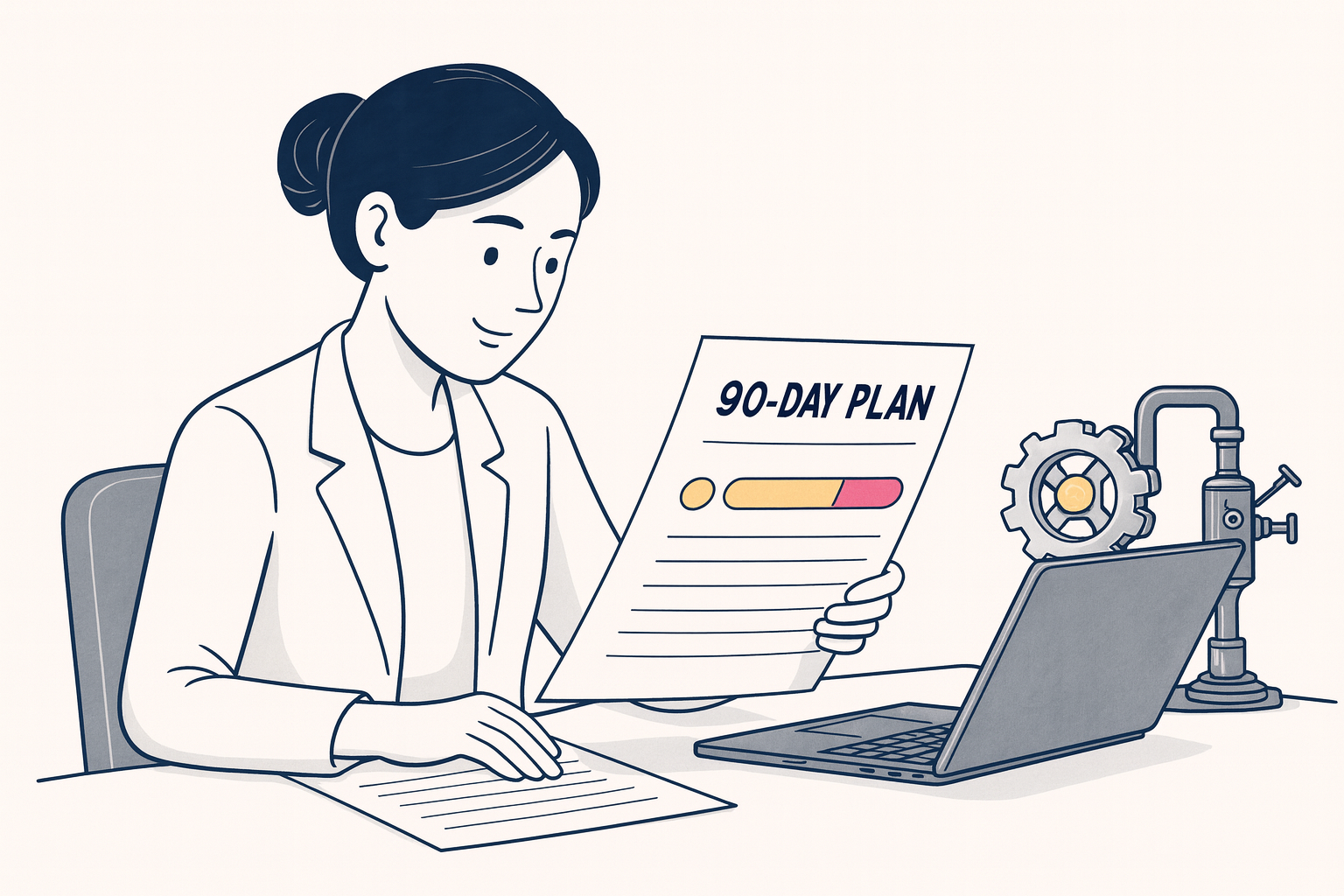
Fractional CMO first 90 days: audit, priorities, one system shipped.
The audit first, a named priority list second, one working system shipped by day 90. The real shape of the first 90 days, mapped against what a full-time hire is usually still doing.
Read article →
Fractional CMO France ou directeur marketing externalisé ?
En français. Les deux mots désignent la même fonction. Le tableau qui le prouve, le seul terme qui change vraiment le mandat, et les trois questions qui percent n'importe quelle étiquette.
Lire l'article →
Signs your marketing needs an AI system, not more headcount.
Repetitive content ops, manual reporting rollups, and lead-routing lag get filed as a staffing problem. Three named trigger scenarios, a head-to-head table on adding a person vs building a system, and the three-part test for when you're actually ready.
Read article →
CMO à temps partagé vs CDI : que choisir ?
En français. Coût total, vitesse de démarrage, risque de recrutement raté, séniorité accessible au même budget. Le tableau de décision, et les trois situations où le CDI reste le bon choix.
Lire l'article →
Directeur marketing à temps partagé : quand et pourquoi en avoir un.
En français. Ce que le terme désigne vraiment, les cinq signaux qui déclenchent la bascule, et pourquoi pas un CDI tout de suite. Sans tarif ni chiffre inventé.
Lire l'article →
Combien coûte un directeur marketing externalisé ?
En français. La logique du TJM, ce qui le fait varier, combien de jours par mois prévoir, et comment comparer honnêtement au coût réel d'un CDI. Pas de tarif inventé, une grille de lecture.
Lire l'article →
Directeur marketing externalisé vs agence : comment choisir.
En français. Deux mandats différents, pas deux niveaux de qualité : l'un décide et répond du chiffre, l'autre exécute un brief à l'échelle. Le tableau de décision honnête, les forces réelles de l'agence, et les quatre questions qui font le tri.
Lire l'article →
Directeur marketing externalisé à Paris.
En français. Ce que recouvre le rôle, pourquoi le marché francilien change le calcul entre CDI et prestation, le TJM réel face au coût complet d'un recrutement senior en Île-de-France, le déroulé d'une mission entre présentiel et distance, et les quatre questions qui font le tri.
Lire l'article →
AI marketing ROI: how to measure it honestly.
Time saved is measurable per task, with a before and after. Revenue influenced mostly isn't, and saying so protects the budget line. The public evidence, the metrics that survive a CFO question, and the vanity ones that don't.
Read article →
CMO AI readiness: funded ambition, missing capability.
CMOs put 15.3% of budget on AI and only 30% can scale it, while just 15% of CEOs rate their marketing leader as AI-savvy. Why the gap is architecture and personal literacy rather than tools, and the four moves that close it on a flat budget.
Read article →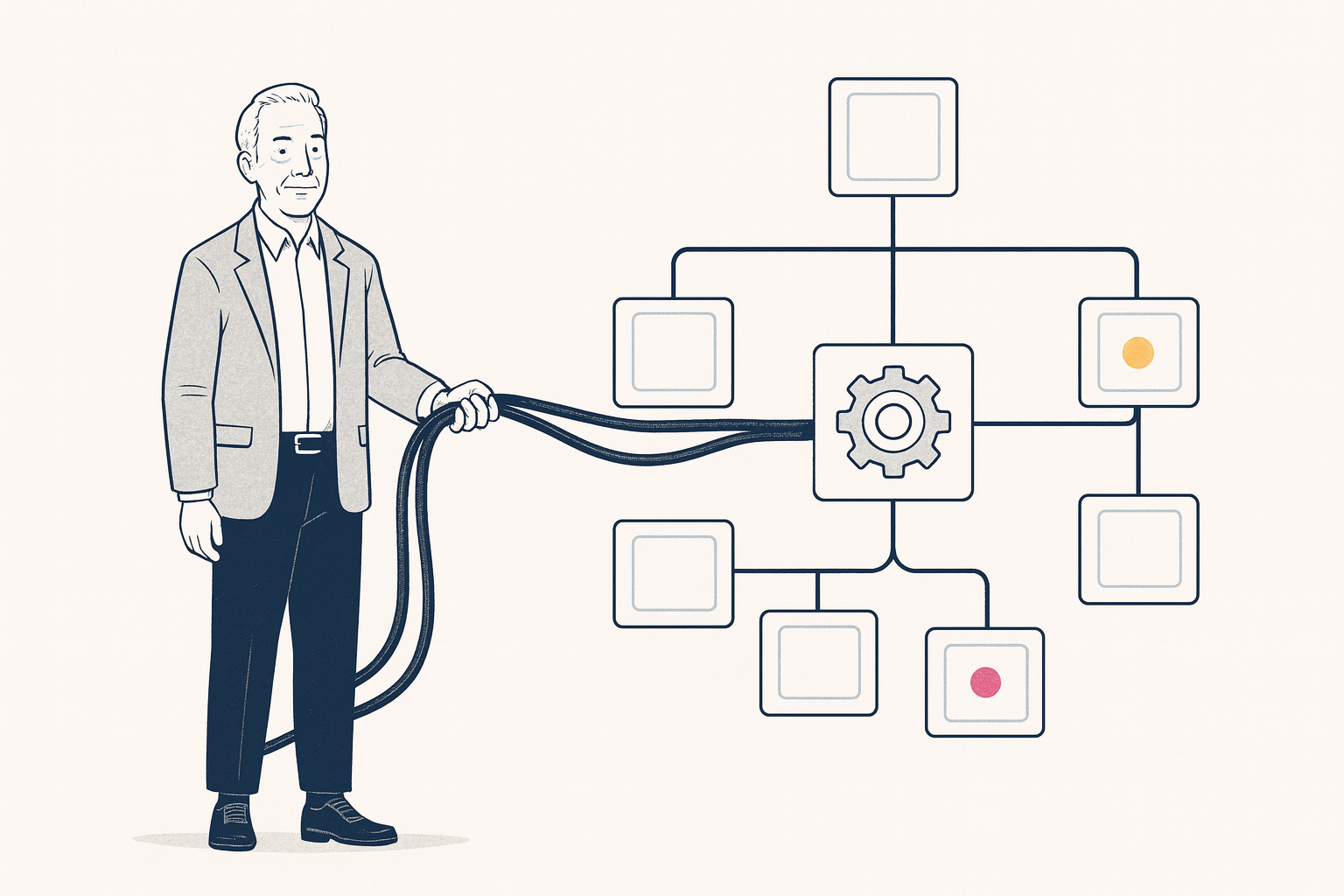
Directeur marketing externalisé : le guide complet.
En français. Ce que couvre vraiment le rôle, à qui il s'adresse et à qui il ne s'adresse pas, les cinq déclencheurs, le comparatif avec l'agence, le consultant et le CDI, le coût réel face au coût complet d'un recrutement, et les quatre questions qui font le tri.
Lire l'article →
Should a CMO know how to code?
Not production software, no. But the question underneath it is real: can this person build the thing they just described? A four-level ladder of technical fluency, three interview tests that separate builders from briefers, and where the builder CMO is the wrong hire.
Read article →
AI search visibility: the new top of funnel for B2B.
Buyers ask an AI before they click, and the shortlist forms inside an answer you never see. What the shrinking click economy does to pipeline and reporting, and the four moves worth making this quarter.
Read article →
Marketing OKRs vs KPIs: how they fit together.
KPIs tell you the engine is running. OKRs tell you where you decided to point it this quarter. A side-by-side table, the tells that a key result is really a KPI in costume, and how to run both without drowning the team in numbers.
Read article →
GTM strategy for B2B SaaS: the founder's sequence.
Positioning, ICP, channel, motion, measurement, in that order. The four motions compared side by side, and the five things to settle before you hire anyone to run them.
Read article →
Category creation vs category entry: pick honestly.
Creating a category is the expensive answer to a question most companies haven't earned yet. What each path actually costs, a ten-dimension comparison table, and the three questions that tell you which game you're already in.
Read article →
AI marketing stack for lean B2B teams.
Five layers, not fifteen logos. What a one to three person team should actually wire up, in what order, and the parts AI still can't take off your plate.
Read article →
SEO vs GEO: what changes and what stays.
Not a replacement, an addition. A side-by-side table across seven dimensions, what still matters from classic SEO, and the three rewrites that move citation rate without a single new page.
Read article →
Marketing KPIs for B2B: cut the vanity metrics.
The handful of KPIs a board actually cares about, ranked by how directly each ties to revenue, and four rules for reporting them without spin.
Read article →
Product-led growth vs sales-led: choosing the right motion.
When PLG wins, when it doesn't, a side-by-side comparison table, and the product-led-sales hybrid most B2B SaaS companies actually need once they outgrow a single motion.
Read article →
B2B messaging framework: from positioning to words.
The message hierarchy, the proof-point rule, and the one-liner test that decides whether the words hold up past the deck, plus where AI actually earns a place keeping messaging consistent at scale.
Read article →
AI tells: the shapes that give it away.
Twelve structural patterns that read machine even after you swap the vocabulary: the rule of three, hedge stacks, wisdom closes, prose where nothing has a name. With the two tests that catch all of them at once.
Read article →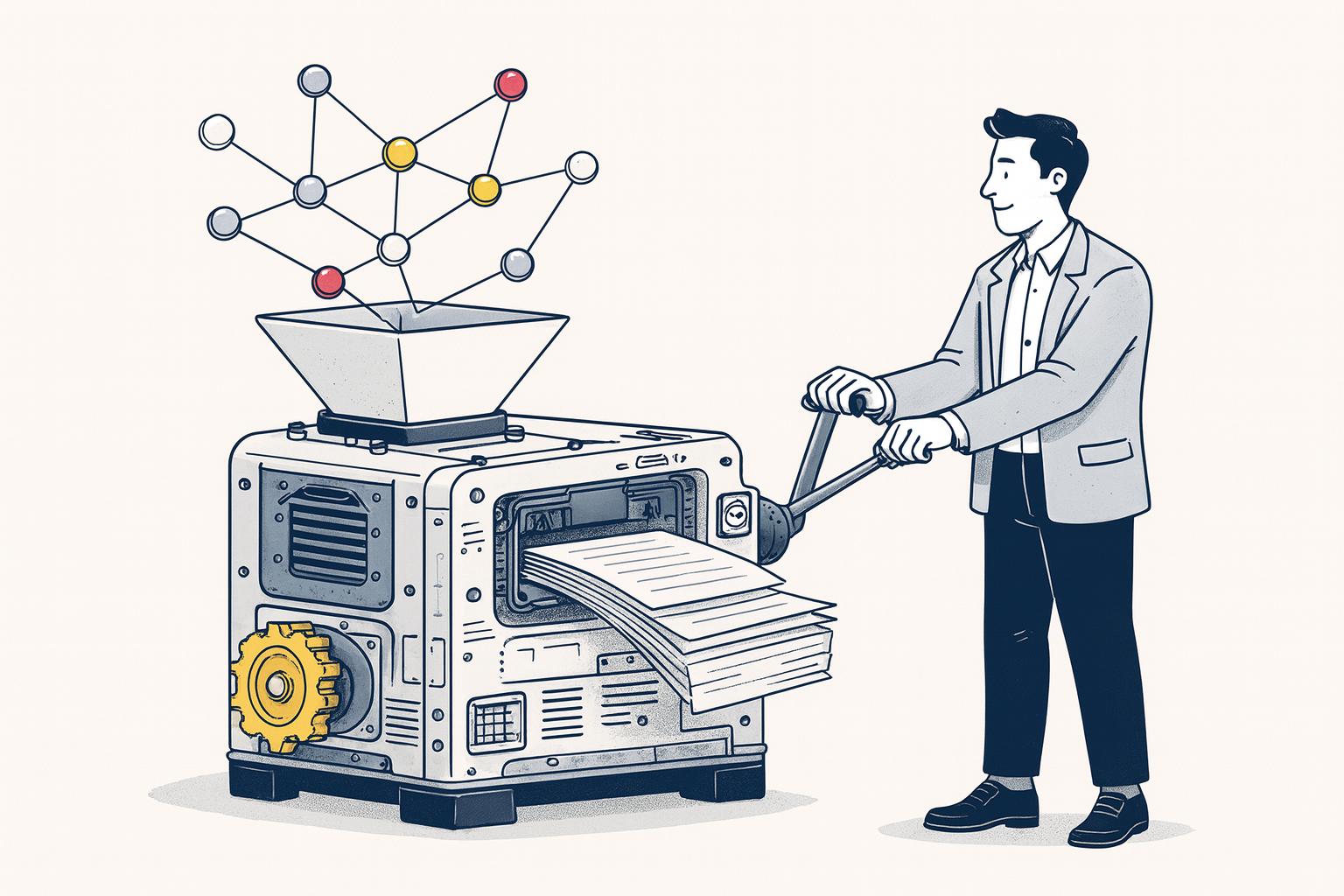
How to build an AI content engine that ranks.
Topic clusters, full schema, a locked voice layer, and a human review gate before anything ships. The five-part model, the comparison table against agencies and generic AI tools, and the one running this exact post.
Read article →
Get cited by ChatGPT: the tactical playbook.
Schema beyond rich results, the three rewrites that roughly triple citation rate, topical hubs instead of thin pages, and where the off-domain proof (Reddit, G2) actually lives. The concrete moves, applied.
Read article →
Marketing team structure by stage: generalists first, specialists later.
A stage-by-stage table for B2B teams, why specialists hired too early waste budget, and where AI systems now replace the execution headcount that used to justify the first junior hire.
Read article →
B2B demand generation strategy: why demand creation beats capture alone.
Demand capture only converts the roughly 5% of buyers already in-market. Why pipeline dries up when that's the whole strategy, a side-by-side comparison table, and the compounding-content fix.
Read article →
Brand repositioning signs: the seven that show up before anyone names it.
Price-only deals, a sales team pitching you five different ways, no inbound pull. The seven signs your brand needs repositioning, and why a new logo won't fix any of them.
Read article →
Marketing automation vs AI marketing systems: what actually changes.
Rules versus reasoning, the mechanical difference behind the buzzword, a side-by-side comparison table, and why most tools sold as "AI marketing" are still automation with a chat window bolted on.
Read article →
What is generative engine optimization (GEO)?
GEO is content built so AI answer engines cite it by name, not just index it. The plain definition, how GEO differs from SEO, and how citation actually gets decided.
Read article →
First marketing hire: the decision most founders get backwards.
Founders default to the cheapest number on the offer letter: a junior generalist with no strategy to execute. Why sequencing beats speed, and when a fractional leader beats a premature full-time hire.
Read article →
Marketing measurement framework for B2B.
Leading vs lagging indicators, where attribution honesty breaks down, and the three-tier view built to survive a board meeting instead of a marketing standup.
Read article →
B2B positioning framework: the method that survives contact with sales.
Positioning and messaging get treated as one project, and that's why most positioning dies in the deck. The difference between the two, the step-by-step framework, and the sales-call test that proves it actually holds.
Read article →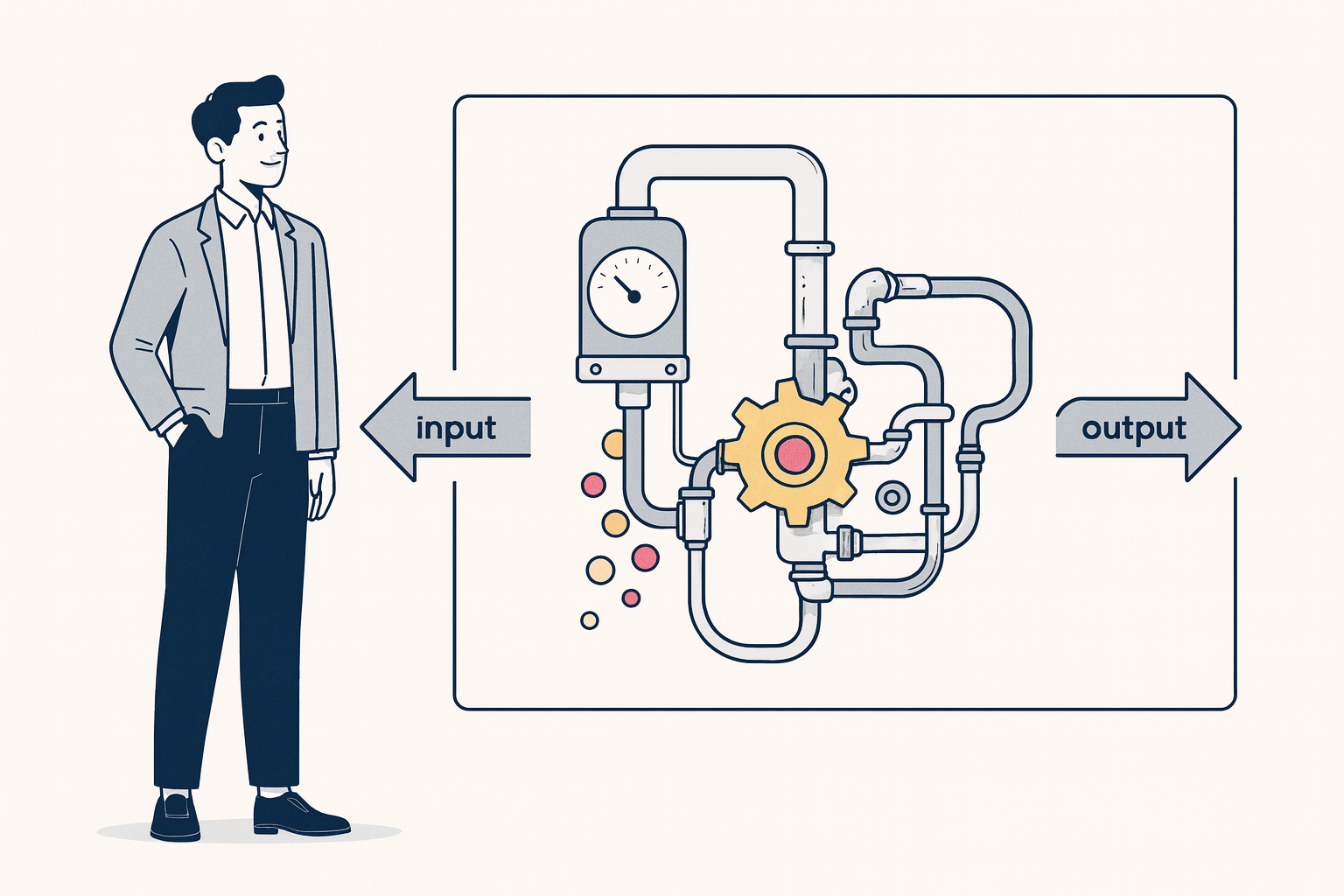
What is an AI marketing system?
Not a ChatGPT subscription, not a feature bolted onto your CMS. A plain definition, the real difference between a tool, a feature, and a system, and how to tell which one is actually running in your team.
Read article →
AI marketing systems for B2B.
A drawer of AI tools is not a system. What an AI marketing system actually is, the five components every one needs, the build-vs-buy decision per workflow, and the maturity path from first prompt to compounding advantage. The pillar guide for B2B marketing leaders.
Read article →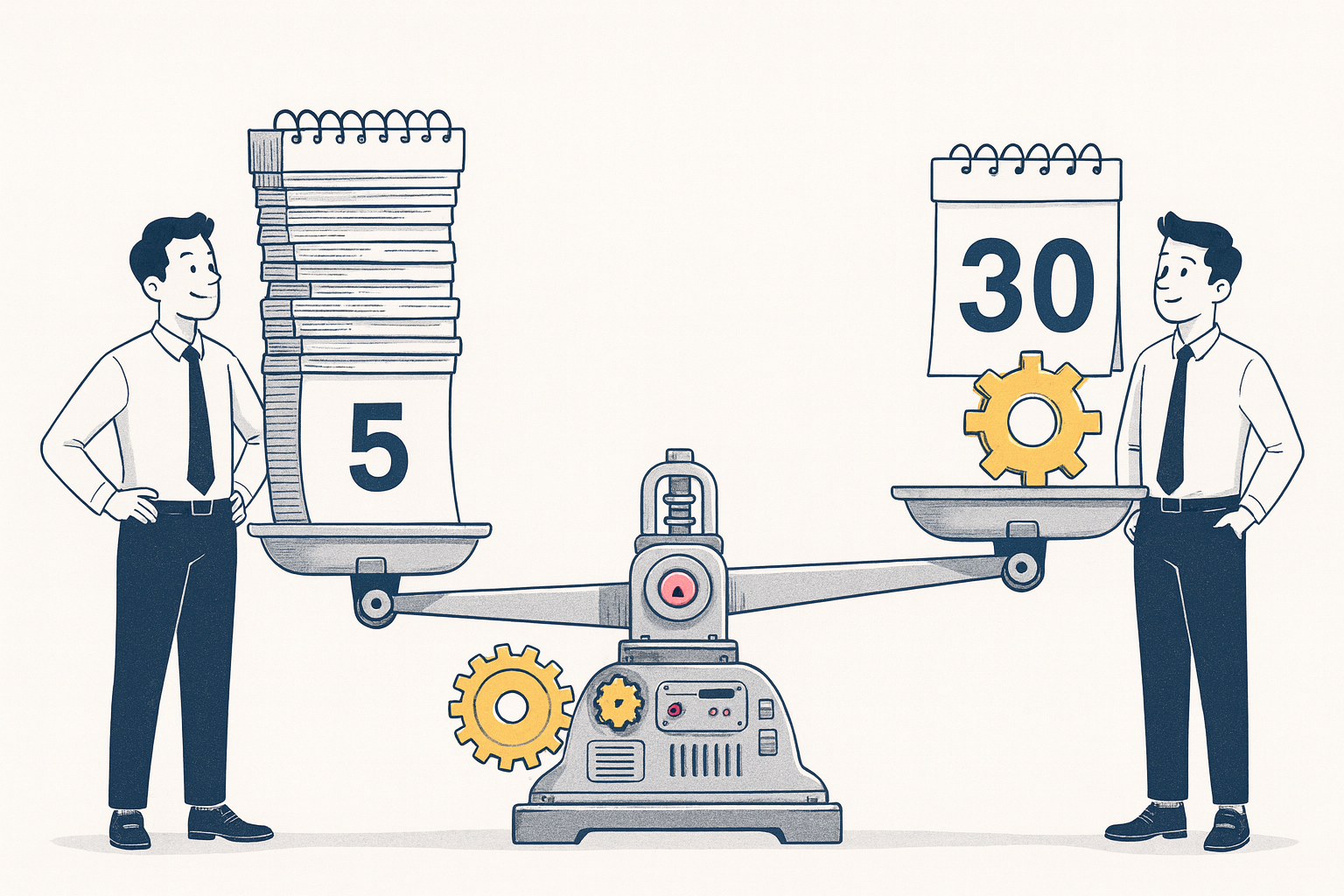
Why a senior fractional CMO's higher day rate costs you less.
The cheapest day rate is rarely the cheapest engagement. A senior operator does in one day what a junior one does in three, needs fewer days for the same job, and owns your number throughout. The total-cost maths most founders skip, with a side-by-side table.
Read article →
Hiring a fractional CMO: direct or through a company?
Two routes to fractional marketing leadership. Hire one named CMO directly who owns your numbers, or go through a productized subscription service that assigns one. What changes on price, control, accountability, and continuity, with a side-by-side table.
Read article →
Fractional CMO for Series A startups.
You raised the round, now the board wants growth. What to do with the first marketing budget, what not to hire yet, and the system-first build that scales. A practical post-raise guide for founders, with a side-by-side table of the four hiring options.
Read article →
How to hire a fractional CMO.
A selection checklist for founders: name the gap before you write the role, separate the builders from the slide-makers, the questions to ask, the red flags that should slow you down, and how to scope the engagement around outcomes instead of hours.
Read article →
Interim CMO vs fractional CMO.
One is full-time and temporary, hired to cover a vacant seat while you recruit. The other is part-time and ongoing, hired because you need senior leadership without a full-time hire. A side-by-side table and a decision framework for picking the right shape.
Read article →
Fractional CMO for B2B SaaS: what to expect.
SaaS-specific scope, the PLG vs sales-led decision, the metrics that tie marketing to ARR, and where AI systems change the equation. A practical guide for SaaS founders evaluating the model.
Read article →
Fractional CMO cost in 2026.
The day-rate model explained: what drives the range, how the full-time cost comparison actually works, and the eight-dimension table that shows fractional vs full-time vs agency vs consultant side by side.
Read article →
When to hire a fractional CMO.
Most founders ask six months too late. Six concrete timing triggers: post-raise growth mandate, founder-led ceiling, wrong first hire, revenue plateau, new market entry, pre-fundraise stretch. A decision framework, not a pitch.
Read article →
What does a fractional CMO do?
A senior marketing leader who owns your marketing function part-time. Not an agency, not an advisor who only makes slides. The real scope, the first 90 days, when a founder actually needs one, and what it is not.
Read article →
The AI maturity ladder.
AI maturity isn't measured in tools owned. Four levels: Prompt-curious, Tooled, Systematic, Compounding. The six dimensions that actually measure it, the cross-team trap that caps most stacks at Level 2, and why most teams self-rate two levels above where they are.
Read article →
Rename or rebrand?
A rename fixes a name that holds you back. A rebrand fixes a meaning that stopped landing. The tick-box diagnostic that tells founders which project they actually need, from the marketer who piloted the Sendinblue to Brevo rename.
Read article →
Citation is the new ranking.
B2B buyers are starting to query AI engines instead of Google. The SEO playbook still works, but it is no longer enough. Citation share now matters more than rank position. Three rewrites that triple AI citation rate, and the five moves B2B brands should run on now.
Read article →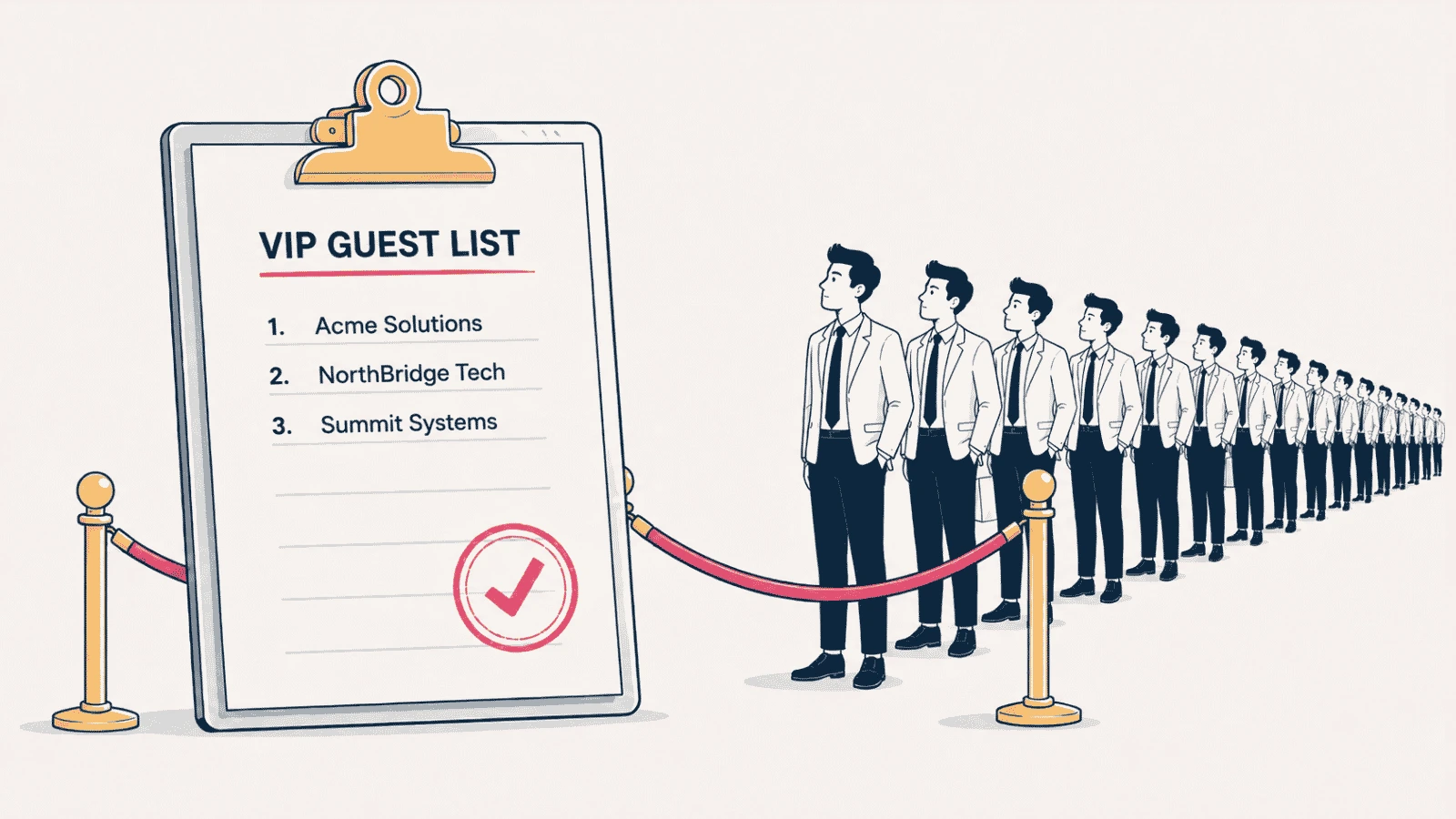
Enterprise buyers don't shortlist. They confirm.
Mid-market asks who to evaluate. Enterprise asks who's already on the list, and that list is built long before the buyer has the problem. How brands land on the Day-One Consideration List, and why selling on features loses the enterprise deal.
Read article →
Your B2B buyers aren't clicking anymore. They're asking AI.
SEO isn't dead, but it's evolving fast. The biggest takeaway from the recent Forrester ZeroClick session: as marketers we've been racing to feed the funnel, top and bottom, and ignoring the middle. Here's what to do about it.
Read article →
The top 5 benefits of hiring a fractional CMO for your business growth.
Hiring a senior marketing leader is a major commitment, especially for growing B2B tech companies, startups, and scale-ups. Here's what a fractional CMO actually changes, and how to know if it's the right fit.
Read article →